



u4gm How to Build the Ultimate Fire Bear Smith PoE2 Guide
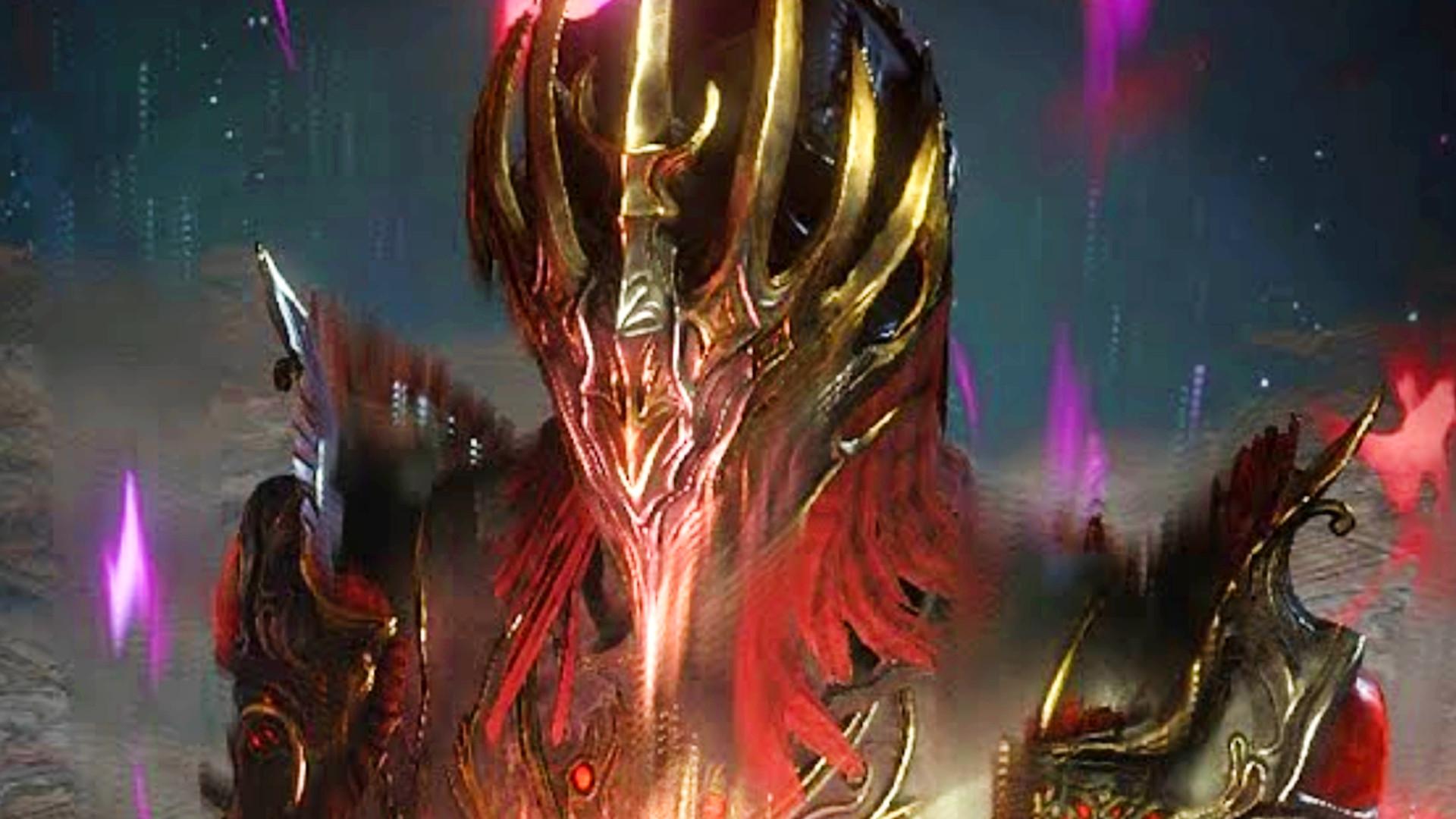
If you have been watching Path of Exile 2 theory videos lately, you have probably seen the Fire Bear Smith pop up a lot, and it really does look like one of the first builds that makes you go “ok, I want to play that” with your own stash of PoE 2 Currency backing it up. You are not just a big fuzzy melee character; you turn into this molten wrecking machine where every swing feels like you are dragging a furnace across the floor. The basic idea is simple enough, but once you see the Bear form’s heavy swings lining up with the Smith’s fiery forge mechanics, it starts to feel like you are playing some demon out of dark fantasy rather than a standard ARPG brawler.
Wide Swings, Big Fire
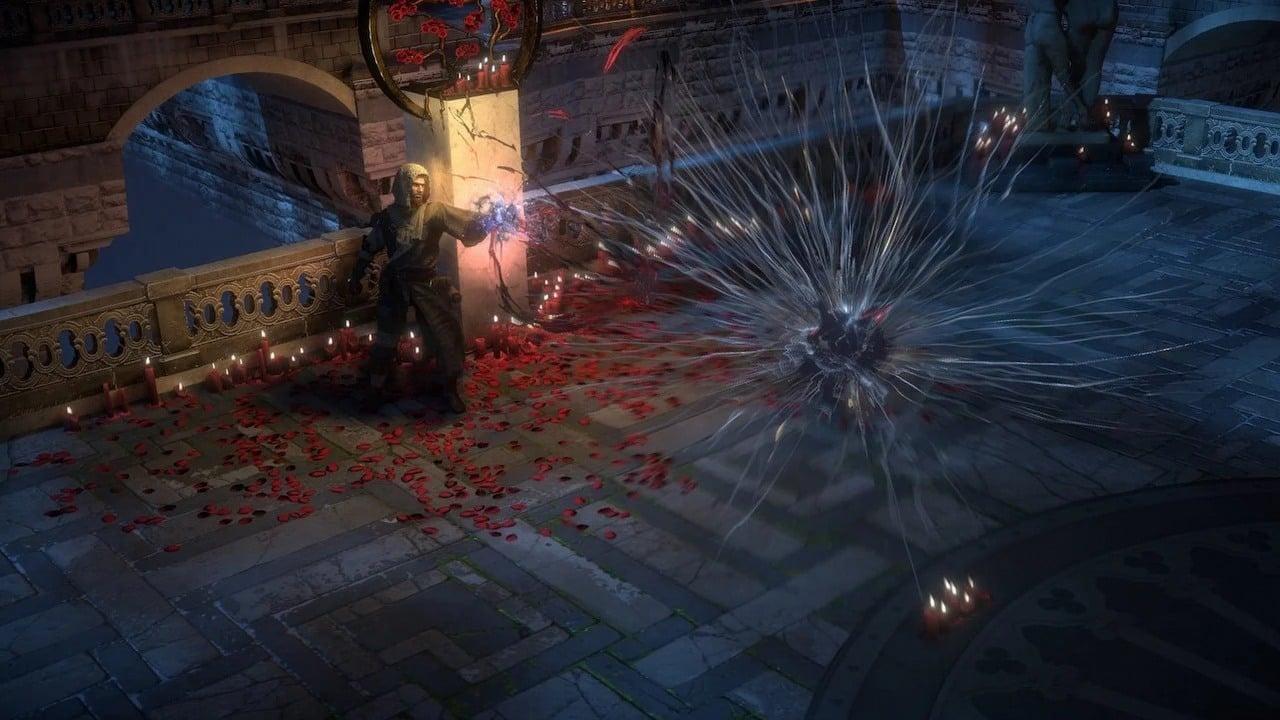
The thing that sells the build when you actually play is how the animations and damage zones line up. In Bear form you get chunky, wide attacks that naturally sweep packs without much aiming, and that fits perfectly with the Smith’s area triggers. You slam once, and the hit does not just land in one spot; it splashes, it sends out shockwaves, it leaves burning patches that keep eating through anything still standing. You very quickly stop caring about single targets and start thinking in rhythms – swing, swing, slight reposition, swing again – while the ground behind you just stays on fire. It feels slow on paper, but on screen it ends up clearing space really fast because you are not fiddling with tiny hitboxes.
Damage Scaling That Actually Works
Where a lot of people trip up is when they start gearing and assume “big bear, big phys” is the way to go. That looks fine on your tooltip, but it does not really line up with how the build scales. You want flat fire damage on your weapon and your skills, and you want fire penetration more than you think. You might feel strong in early maps without it, but once you hit fire-resistant rares or bosses, the damage drop is brutal. Penetration keeps your numbers honest against those targets. On top of that, if you lean into ignites, you can go for a slightly different vibe: fewer hits, more burn. Hit once, stack a strong ignite, and then kite while the boss just sits there smouldering. It feels especially good on bosses that like to reposition, because you are not forced to stand still and keep swinging.
Staying Alive In Bear Skin
It is easy to look at the armor, the life, and the endurance charges and think you can just stand there and trade hits all day. Path of Exile 2 does not really let you get away with that. The big telegraphed slams, ground effects, all of that is still deadly, bear or not. The smooth way to play this setup is to treat movement as part of your rotation, not something you do only when you panic. Dash or leap in, slam once or twice, then step out before the counter-attack lands. The build is tanky enough to forgive a mistake here and there, but it feels a lot better when you are weaving in and out instead of trying to brute force every mechanic. When it clicks, you feel less like a slow tank and more like a heavy, mobile bruiser.
Different Ways To Build The Same Monster
One of the reasons people keep talking about Fire Bear Smith is that it bends pretty easily to different playstyles without losing its identity. Some players push attack speed, just enough accuracy and crit, and focus on making the explosions chain as quickly as possible for fast mapping, so the screen keeps popping every second as you charge through zones. Others slow it down, stack more multipliers, fire penetration and ignite scaling, and build around big slams that stagger bosses and chew through their resistances. Because the core idea – wide bear swings plus forge-style fire effects – stays the same, you can tune it up for comfy mapping or for serious boss attempts without feeling like you have swapped to a different character, especially once you mix in a bit of poe2 power leveling to push the build into its late-game gear and passive options.
Stop farming forever—grab PoE 2 currency now: https://www.u4gm.com/path-of-exile-2-currency
If you have been watching Path of Exile 2 theory videos lately, you have probably seen the Fire Bear Smith pop up a lot, and it really does look like one of the first builds that makes you go “ok, I want to play that” with your own stash of PoE 2 Currency backing it up. You are not just a big fuzzy melee character; you turn into this molten wrecking machine where every swing feels like you are dragging a furnace across the floor. The basic idea is simple enough, but once you see the Bear form’s heavy swings lining up with the Smith’s fiery forge mechanics, it starts to feel like you are playing some demon out of dark fantasy rather than a standard ARPG brawler.
Wide Swings, Big Fire
The thing that sells the build when you actually play is how the animations and damage zones line up. In Bear form you get chunky, wide attacks that naturally sweep packs without much aiming, and that fits perfectly with the Smith’s area triggers. You slam once, and the hit does not just land in one spot; it splashes, it sends out shockwaves, it leaves burning patches that keep eating through anything still standing. You very quickly stop caring about single targets and start thinking in rhythms – swing, swing, slight reposition, swing again – while the ground behind you just stays on fire. It feels slow on paper, but on screen it ends up clearing space really fast because you are not fiddling with tiny hitboxes.
Damage Scaling That Actually Works
Where a lot of people trip up is when they start gearing and assume “big bear, big phys” is the way to go. That looks fine on your tooltip, but it does not really line up with how the build scales. You want flat fire damage on your weapon and your skills, and you want fire penetration more than you think. You might feel strong in early maps without it, but once you hit fire-resistant rares or bosses, the damage drop is brutal. Penetration keeps your numbers honest against those targets. On top of that, if you lean into ignites, you can go for a slightly different vibe: fewer hits, more burn. Hit once, stack a strong ignite, and then kite while the boss just sits there smouldering. It feels especially good on bosses that like to reposition, because you are not forced to stand still and keep swinging.
Staying Alive In Bear Skin
It is easy to look at the armor, the life, and the endurance charges and think you can just stand there and trade hits all day. Path of Exile 2 does not really let you get away with that. The big telegraphed slams, ground effects, all of that is still deadly, bear or not. The smooth way to play this setup is to treat movement as part of your rotation, not something you do only when you panic. Dash or leap in, slam once or twice, then step out before the counter-attack lands. The build is tanky enough to forgive a mistake here and there, but it feels a lot better when you are weaving in and out instead of trying to brute force every mechanic. When it clicks, you feel less like a slow tank and more like a heavy, mobile bruiser.
Different Ways To Build The Same Monster
One of the reasons people keep talking about Fire Bear Smith is that it bends pretty easily to different playstyles without losing its identity. Some players push attack speed, just enough accuracy and crit, and focus on making the explosions chain as quickly as possible for fast mapping, so the screen keeps popping every second as you charge through zones. Others slow it down, stack more multipliers, fire penetration and ignite scaling, and build around big slams that stagger bosses and chew through their resistances. Because the core idea – wide bear swings plus forge-style fire effects – stays the same, you can tune it up for comfy mapping or for serious boss attempts without feeling like you have swapped to a different character, especially once you mix in a bit of poe2 power leveling to push the build into its late-game gear and passive options.
Stop farming forever—grab PoE 2 currency now: https://www.u4gm.com/path-of-exile-2-currency
u4gm How to Build the Ultimate Fire Bear Smith PoE2 Guide
If you have been watching Path of Exile 2 theory videos lately, you have probably seen the Fire Bear Smith pop up a lot, and it really does look like one of the first builds that makes you go “ok, I want to play that” with your own stash of PoE 2 Currency backing it up. You are not just a big fuzzy melee character; you turn into this molten wrecking machine where every swing feels like you are dragging a furnace across the floor. The basic idea is simple enough, but once you see the Bear form’s heavy swings lining up with the Smith’s fiery forge mechanics, it starts to feel like you are playing some demon out of dark fantasy rather than a standard ARPG brawler.
Wide Swings, Big Fire
The thing that sells the build when you actually play is how the animations and damage zones line up. In Bear form you get chunky, wide attacks that naturally sweep packs without much aiming, and that fits perfectly with the Smith’s area triggers. You slam once, and the hit does not just land in one spot; it splashes, it sends out shockwaves, it leaves burning patches that keep eating through anything still standing. You very quickly stop caring about single targets and start thinking in rhythms – swing, swing, slight reposition, swing again – while the ground behind you just stays on fire. It feels slow on paper, but on screen it ends up clearing space really fast because you are not fiddling with tiny hitboxes.
Damage Scaling That Actually Works
Where a lot of people trip up is when they start gearing and assume “big bear, big phys” is the way to go. That looks fine on your tooltip, but it does not really line up with how the build scales. You want flat fire damage on your weapon and your skills, and you want fire penetration more than you think. You might feel strong in early maps without it, but once you hit fire-resistant rares or bosses, the damage drop is brutal. Penetration keeps your numbers honest against those targets. On top of that, if you lean into ignites, you can go for a slightly different vibe: fewer hits, more burn. Hit once, stack a strong ignite, and then kite while the boss just sits there smouldering. It feels especially good on bosses that like to reposition, because you are not forced to stand still and keep swinging.
Staying Alive In Bear Skin
It is easy to look at the armor, the life, and the endurance charges and think you can just stand there and trade hits all day. Path of Exile 2 does not really let you get away with that. The big telegraphed slams, ground effects, all of that is still deadly, bear or not. The smooth way to play this setup is to treat movement as part of your rotation, not something you do only when you panic. Dash or leap in, slam once or twice, then step out before the counter-attack lands. The build is tanky enough to forgive a mistake here and there, but it feels a lot better when you are weaving in and out instead of trying to brute force every mechanic. When it clicks, you feel less like a slow tank and more like a heavy, mobile bruiser.
Different Ways To Build The Same Monster
One of the reasons people keep talking about Fire Bear Smith is that it bends pretty easily to different playstyles without losing its identity. Some players push attack speed, just enough accuracy and crit, and focus on making the explosions chain as quickly as possible for fast mapping, so the screen keeps popping every second as you charge through zones. Others slow it down, stack more multipliers, fire penetration and ignite scaling, and build around big slams that stagger bosses and chew through their resistances. Because the core idea – wide bear swings plus forge-style fire effects – stays the same, you can tune it up for comfy mapping or for serious boss attempts without feeling like you have swapped to a different character, especially once you mix in a bit of poe2 power leveling to push the build into its late-game gear and passive options.
Stop farming forever—grab PoE 2 currency now: https://www.u4gm.com/path-of-exile-2-currency
0 Comentários
0 Compartilhamentos
1306 Visualizações





 English
 Arabic
 French
 Spanish
 Deutsch
 Turkish
 Dutch
Dutch
 Italiano
 Russian
 Romaian
 Portuguese (Brazil)
 Greek
Greek